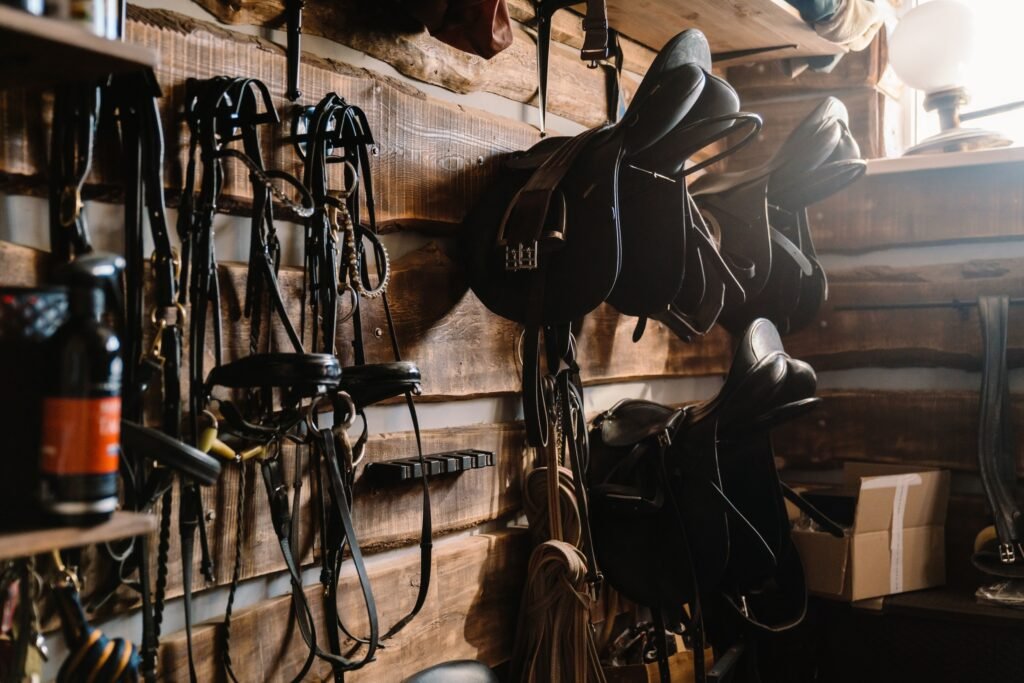
Halters & Lead Ropes
Rope, nylon and leather options for supervised handling and groundwork.
Shop Halters & Lead Ropes
Horse tack supports everyday riding and groundwork, from halters and lead ropes to bridles, saddles and training equipment. Explore seven categories below, then use the buying notes to compare materials, sizing and intended use. Whether you are organizing a first tack kit or replacing a well-used piece, start with your horse’s needs and your riding discipline. Check each manufacturer’s measurements and arrange professional fitting where needed before putting new equipment into regular use.
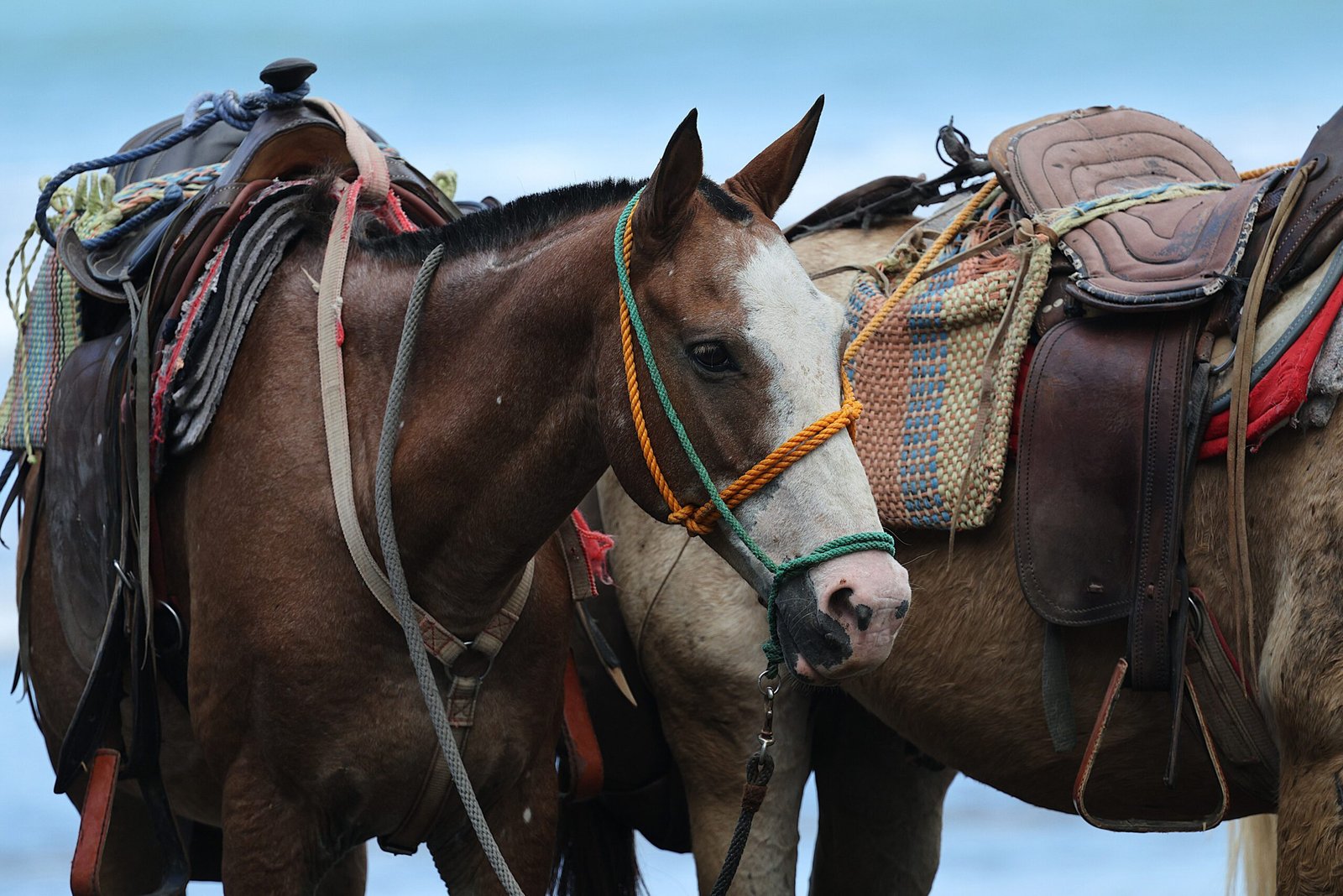
Start with the equipment you need, then check fit, compatibility and what is included.
Rope, nylon and leather options for supervised handling and groundwork.
Shop Halters & Lead RopesCompare lunge lines, cavessons and surcingles for your training routine.
Shop Lunging Equipment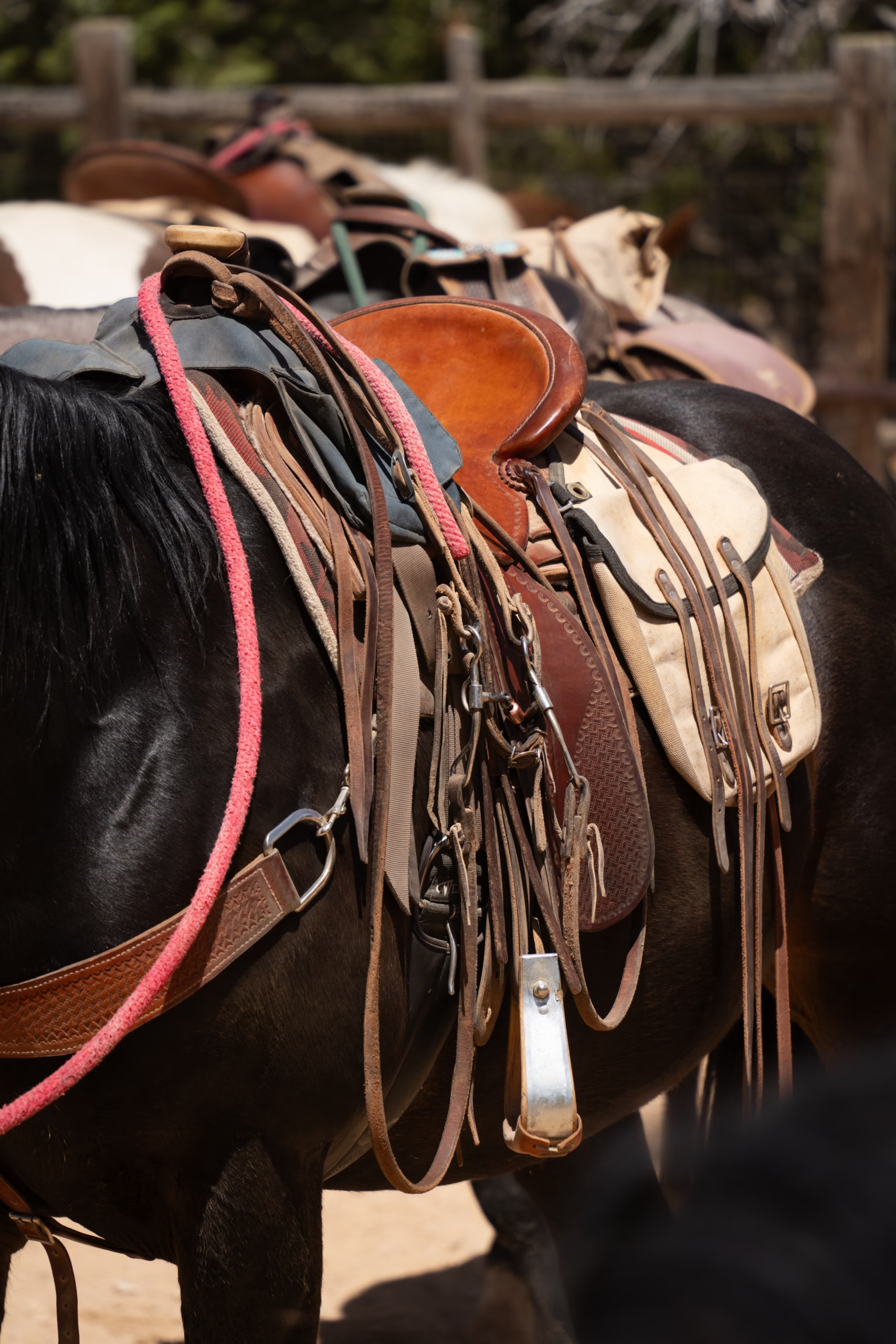
Explore saddles, pads and fittings suited to your riding discipline.
Shop Saddles & Saddle PadsCompare schooling equipment and stable, nonslip mounting platforms.
Shop Jumps & Mounting BlocksCompare horse halters by material, adjustment and intended use. Nylon is easy to clean, leather needs regular care, and rope halters concentrate pressure over a smaller area. Rope halters are for informed, supervised handling—not unattended turnout or tying a horse that may pull back.
Check stitching, buckles and snaps before each use. Select a lead rope with a comfortable grip, and never wind it around your hand or body.
Horse bridles and horse bits need separate measurements. Headpiece, browband and cheekpiece lengths affect bridle fit; mouthpiece width, thickness and design affect bit fit. A “full” bridle does not establish the right bit size.
Choose reins for suitable length and grip. Have a qualified fitter or experienced instructor assess pressure points, mouth comfort and the bit’s action. Persistent resistance or discomfort also warrants veterinary or dental assessment.
Horse saddles must suit both horse and rider. Tree shape, panel contact, balance and clearance need assessment with the rider mounted and the horse moving. Horse saddle pads help manage sweat and protect the saddle, but extra padding is not a reliable fix for poor saddle fit.
Check whether horse girths, stirrup leathers and horse stirrups are included. Select a girth or cinch for the saddle’s rigging and the horse’s anatomy; a breastplate should not compensate for an unsuitable saddle.
A horse lunge line, correctly fitted cavesson and appropriate surcingle can support an instructor-led groundwork routine. Choose line length for the horse, space and exercise rather than treating one length as suitable for every situation.
Work on suitable footing in an enclosed area. Wear gloves, sturdy footwear and a properly fitted riding helmet. Keep spare line organized in folds, never wrapped around fingers or limbs, and seek hands-on instruction before using side reins or unfamiliar equipment.
Choose horse saddle bags with attachments compatible with your saddle and enough clearance from the horse’s spine, legs and the rider’s aids. Pack lightly and balance the load. Introduce the bags gradually in a controlled setting before riding out.
A ring tote or grooming bag carries equipment around the barn; it is not a substitute for a purpose-designed bag attached to a saddle. Keep these different storage jobs separate.
A horse neck strap can give a rider an additional handhold, while poles and other groundwork equipment offer variety in a planned routine. Select each item for a clear training purpose—not as a shortcut around pain, fear or an unresolved riding issue.
Have an experienced instructor demonstrate placement and use. Introduce one change at a time, and review the horse’s response before progressing.
When comparing horse jumps for sale, check the construction, pole weight, cup compatibility and intended use. Ground poles and cavaletti still carry risk; choose spacing and exercises with an instructor, on level, suitable footing. Use appropriate safety cups where required for the fence or discipline.
Horse mounting blocks provide a stable platform and can reduce pulling on the saddle during mounting. Choose height for both horse and rider, with a wide base, nonslip steps and adequate weight capacity.
Measure according to the manufacturer’s chart and compare the noseband, crown and throat areas. Pony, cob and full labels vary between brands. Ask an experienced fitter to check positioning and adjustment if you are unsure.
No. Bridle size relates to the head, while bit fit depends on the mouth and bit design. Measure separately and seek qualified fitting advice rather than choosing a bit from the bridle label.
Not reliably. A thicker pad can change pressure and clearance and may make an unsuitable saddle tighter. Have a saddle fitter assess the saddle and pad together with the horse and rider.
Check the individual product description for the included items. Do not assume a girth, cinch, stirrup leathers, stirrups or pad is supplied unless it is explicitly listed. Contact the store if anything is unclear.
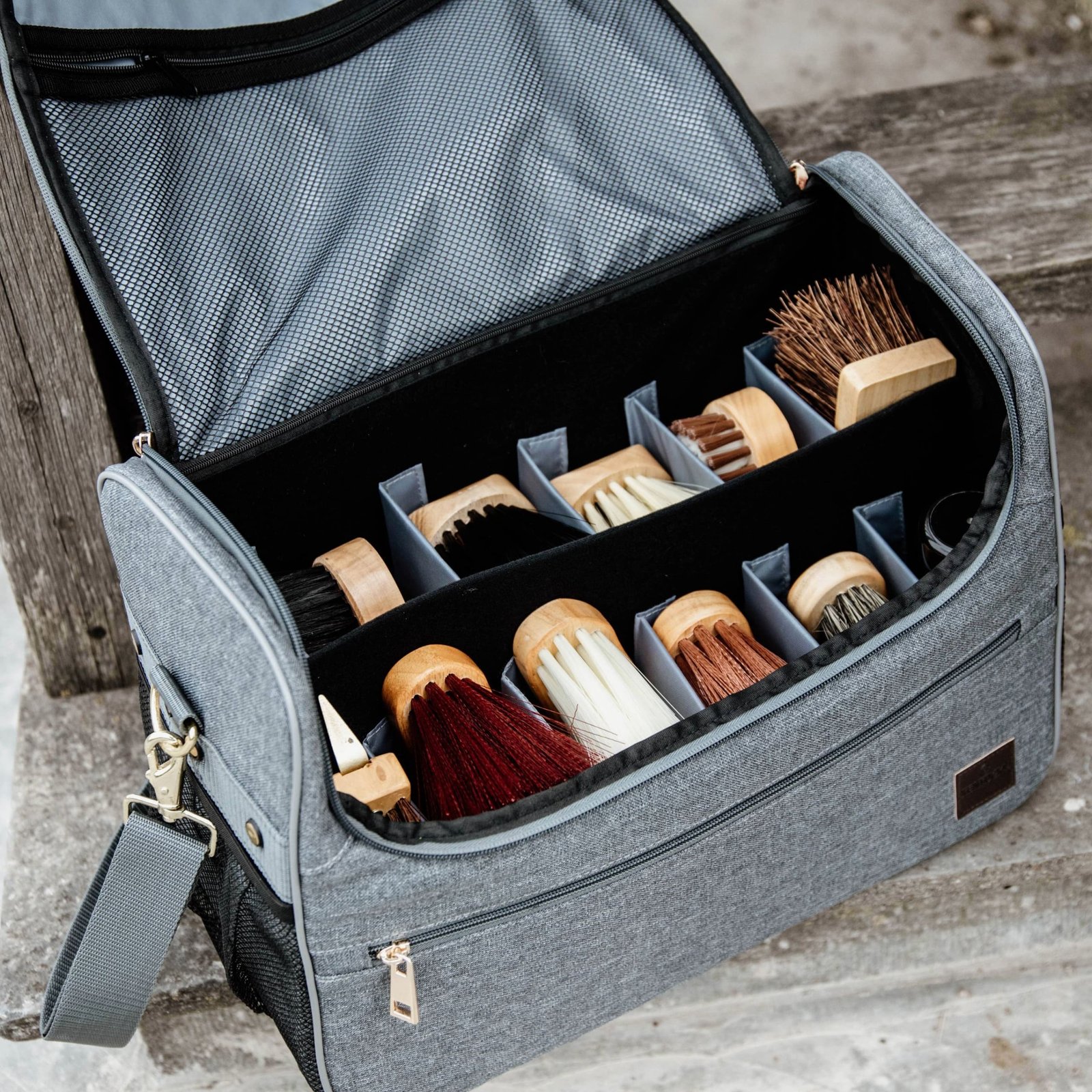
Prepare the coat and keep your grooming tools organized.
Explore grooming essentials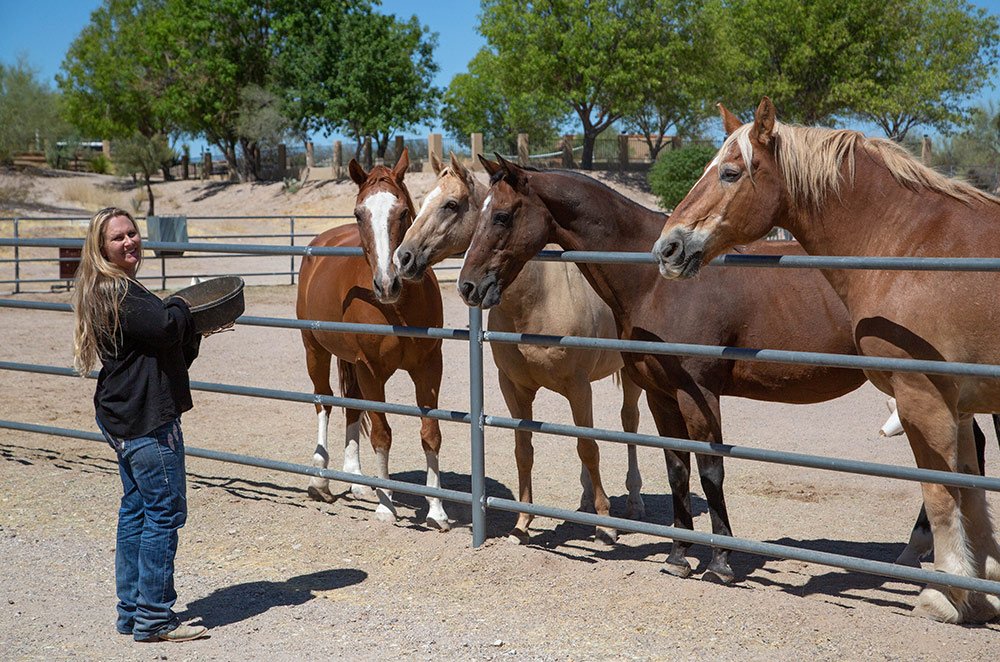
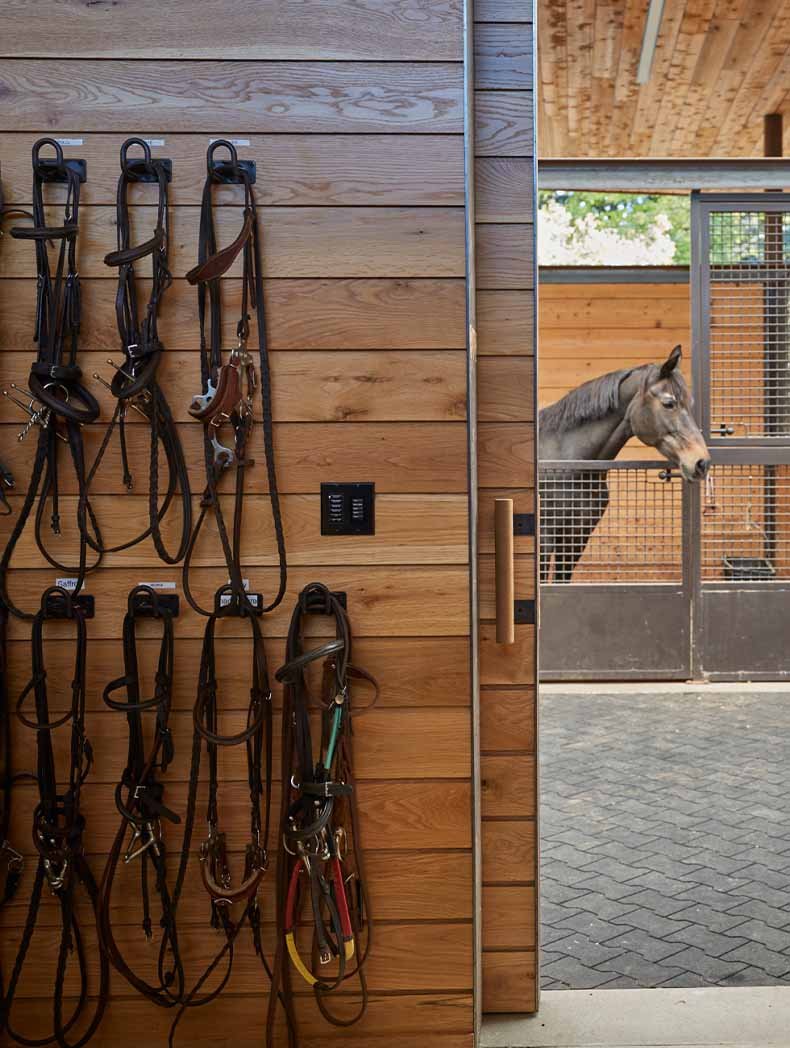
Plan storage for clean, dry and accessible equipment.
Explore stable & barn supplies